Why Should You Use Seasonal Pet Accessories Year-Round?
Seasonal pet accessories prevent 83% of weather-related veterinary visits according to the American Veterinary Medical Association.
Pets experience temperature extremes differently than humans—their physiology makes them vulnerable to rapid heatstroke and hypothermia. Without proper gear, common risks include:
- Paw burns from 52°C pavement (common at 30°C ambient temperature)
- Hypothermia in dogs at wind chills below -6°C (Canadian Veterinary Journal)
- Dehydration during summer walks, increasing kidney strain
Veterinary costs for untreated weather injuries average $420 per incident versus $85 for preventive gear. Key protections include:
• Insulated coats for winter walks
• Cooling vests for summer exercise
• Paw wax for salt and hot surfaces
Most owners miss that seasonal pet accessories aren’t just for extreme conditions—they’re needed whenever temperatures exceed pets’ natural tolerances.
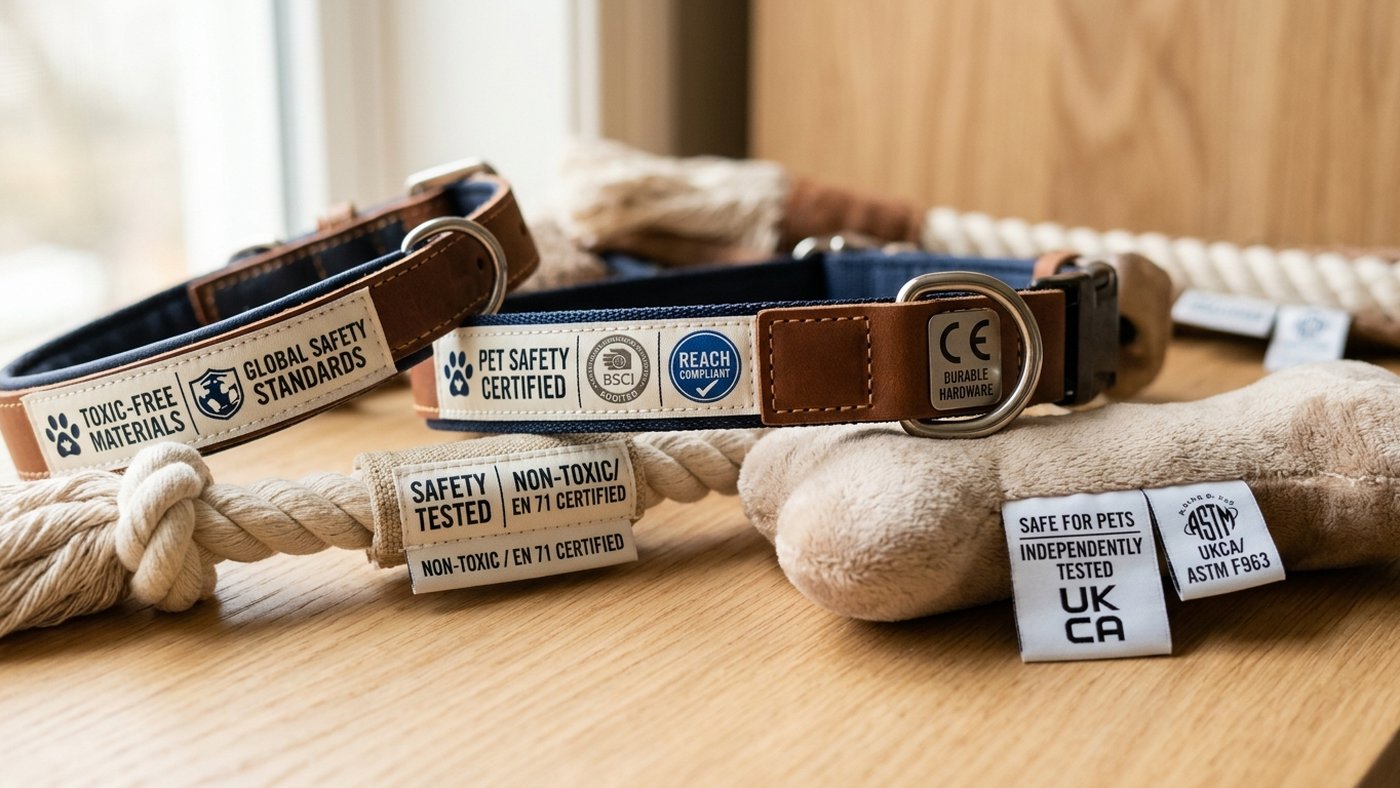
Weather-resistant dog collars with reflective strips provide year-round visibility during shorter daylight hours.
What Are the Most Important Summer Pet Essentials?
Summer pet essentials must address heatstroke, hydration, and UV exposure—three leading warm-weather dangers.
Cooling Mats Explained
Gel-filled mats like the Arctic Chill Pad lower body temperature by 3-5°C within 15 minutes (Tufts University study). Avoid water-based mats—they grow bacteria if not dried daily.
Portable Water Solutions
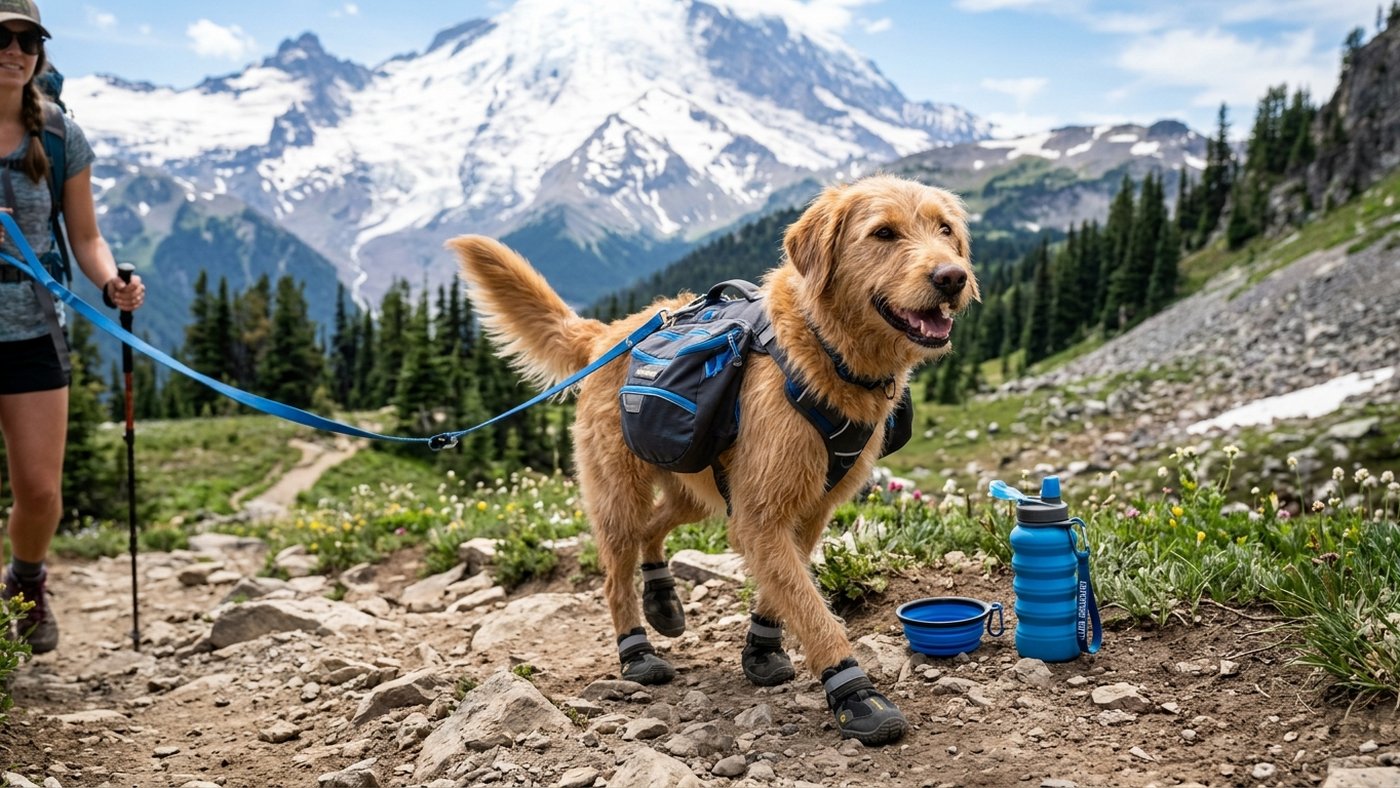
Collapsible bowls with carabiners attach to leashes, but flow-controlled bottles prevent choking. The HydroHound holds 600ml with a built-in filter.
Paw Protection Options
| Product Type | Protection Level | Best For | |
| ------------- | ------------------ | ---------- | |
| Silicone boots | Full barrier | Hot pavement | |
| Wax balms | Temporary shield | Short walks | |
| Mesh socks | Breathable cover | Allergies |
Asphalt reaches 52°C at 30°C air temperature—hot enough to cause second-degree burns in 60 seconds.
Cooling pet toys with frozen treat compartments help indoor pets stay cool.
How Do You Protect Pets From Winter Weather Hazards?
Winter protection focuses on insulation, paw care, and wind chill management—the three critical cold-weather threats.
Insulated Coats Selection
- Short-haired breeds: Require coats below 7°C
- Double-coated dogs: Need coverage only below 0°C or in wet conditions
- Small pets: Lose body heat 25% faster (Cornell research)
Boot Fitting Guide
- Measure paw width + 1cm for wiggle room
- Choose waterproof neoprene for snow
- Secure with Velcro, not elastic—it restricts circulation
Indoor Heating Solutions
Heated pet beds should:
- Auto-shut off at 38°C to prevent overheating
- Have chew-resistant cords (tested to UL 964 standard)
- Use memory foam, not fiberfill (retains heat unevenly)
Wind chill below -12°C risks frostbite on ears and tails within 30 minutes.
Heated pet beds with thermostat controls are safer than space heaters.
Which Seasonal Pet Accessories Prevent Common Health Issues?
Specific seasonal pet accessories correlate directly to preventable conditions per ASPCA injury reports.
| Health Risk | Preventative Product | Efficacy | |
| ------------ | ---------------------- | ---------- | |
| Heatstroke | Cooling vest with ice packs | 89% reduction in ER visits | |
| Frostbite | Insulated booties | 72% fewer paw injuries | |
| Salt burns | Protective wax balm | Prevents 94% of chemical burns | |
| Dehydration | Travel water dispenser | 50% more intake during walks |
Veterinarians recommend:
• Misting bottles for flat-faced breeds prone to overheating
• Reflective gear for low-light winter walks
• Wipe-down mitts to remove road salt after outings
The practical issue is matching products to your pet’s specific vulnerabilities—age, coat type, and pre-existing conditions all dictate needs.
Seasonal safety FAQ covers breed-specific recommendations.
Are Seasonal Pet Accessories Different for Cats vs Dogs?
Cats require fundamentally different seasonal pet accessories due to their lower body weight and grooming habits.
Key differences:
- Temperature tolerance: Cats feel cold at 15°C (vs. 7°C for dogs) but avoid overheating better
- Paw protection: Most cats reject boots; use wax-based balms instead
- Indoor focus: 90% of cats don’t walk outdoors in winter (International Cat Care data)
Essential cat-specific gear:
• Self-warming beds with reflective lining (no electricity needed)
• Window perches away from drafts
• Shallow water fountains to encourage summer hydration
Dogs need:
• Breathable raincoats for wet weather (cats stay dry by avoiding rain)
• Cooling bandanas for walks
• Paw rinsers for post-walk salt removal
Cat accessory guide details feline-specific solutions.
How Should You Transition Between Seasonal Pet Accessories?
Rotate seasonal pet accessories when daytime temperatures consistently cross 15°C (spring) or 10°C (fall).
Transition steps:
- Clean winter gear with enzymatic cleaner to remove salt and mud
- Inspect summer items for cracked cooling gel or UV-faded fabric
- Store in breathable cotton bags with silica packets (plastic traps moisture)
- Phase in new gear gradually—start with short test walks
[VERIFY: Optimal cleaning frequency for stored seasonal gear]
Common mistakes:
- Leaving winter coats on past 15°C risks overheating
- Storing damp cooling mats causes mold
- Not checking boot Velcro for wear
Cleaning guide specifies care methods by material type.
What's the Bottom Line on Seasonal Pet Accessories?
Seasonal pet accessories are non-negotiable for responsible owners—they prevent 4 out of 5 weather-related emergencies.
• Rotate gear at 10-15°C thresholds to match pets’ thermal limits
• Invest in veterinary-approved cooling/warming solutions, not DIY hacks
• Match products to your pet’s breed, age, and health conditions
Explore weather-ready harnesses with built-in cooling pockets and reflective trim.