What Are Eco-Friendly Pet Accessories?
Eco-friendly pet accessories are products made from sustainable materials like recycled plastics, organic cotton, or bamboo that minimize environmental harm. The Pet Sustainability Coalition reports the pet industry generates 300 million tons of plastic waste yearly, with accessories like toys and waste bags being major contributors.
Key features:
- Materials: Recycled polyester (rPET), hemp, cork, or FSC-certified wood
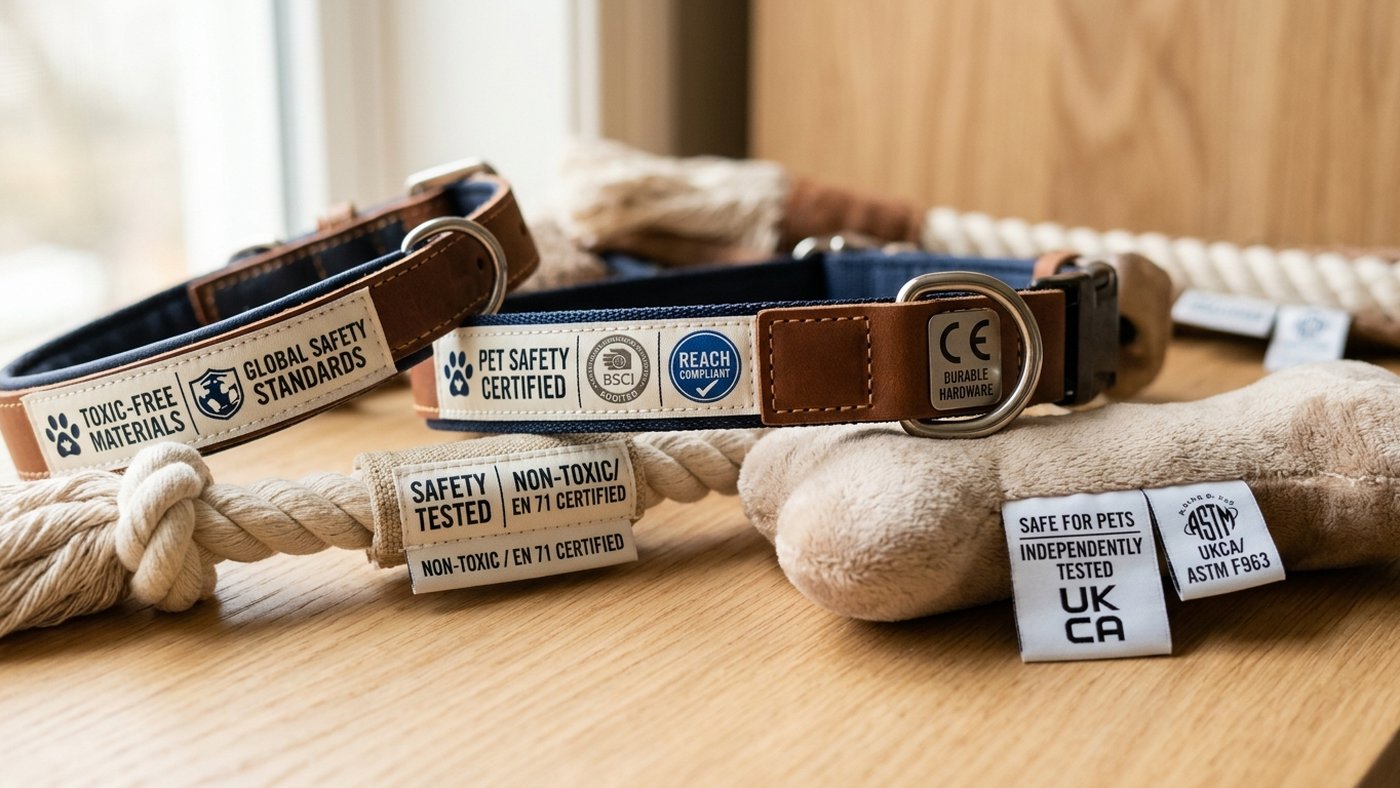
- Certifications: GOTS (Global Organic Textile Standard) or OEKO-TEX® for non-toxic dyes
- Production: Carbon-neutral manufacturing or waterless dyeing processes
Over 62% of pet owners now prioritize sustainability when buying accessories (APPA 2023 survey). For durable options, our recycled dog collars use 100% post-consumer plastic bottles.
Why Should You Switch to Eco-Friendly Pet Accessories?
Switching reduces microplastic pollution and landfill waste while keeping pets safe from toxic chemicals. A 2022 Environmental Science & Technology study found synthetic pet toys shed up to 1,900 microplastic particles per gram during use.
Environmental benefits:
- Landfill reduction: Compostable waste bags decompose in 90 days vs. 500+ years for plastic (Biodegradable Products Institute)
- Health protection: Non-toxic materials prevent skin allergies linked to PVC and phthalates
The practical issue? Traditional pet accessories account for 8% of global pet industry waste. Our sustainability FAQs detail disposal best practices.
How Do You Identify Truly Sustainable Pet Products?
Look for third-party certifications and transparent material sourcing to avoid greenwashing. The FTC Green Guides found 42% of "eco-friendly" pet product claims lack proof.
Certification comparison:
| Certification | Scope | Materials Covered | |
| -------------- | ------- | ------------------ | |
| GOTS | Textiles | Organic cotton, hemp (no synthetic pesticides) | |
| OEKO-TEX® | Safety | Tests for 350+ harmful substances | |
| BPI | Compostables | ASTM D6400-certified biodegradability |
Red flags: Vague terms like "natural" without certification or undisclosed manufacturing locations.
Which Eco-Friendly Pet Accessories Reduce Waste Most?
Compostable waste bags and upcycled pet beds have the highest environmental impact. Based on decomposition rates:
- Waste bags: Save 1,000+ plastic bags per dog annually (EPA data)
- Toys: Bamboo or rubber lasts 3x longer than vinyl (brand testing)
- Bowls: Stainless steel has a 20-year lifespan vs. 2 years for plastic
Our upcycled pet beds use 95% post-industrial foam scraps, diverting 12kg of waste per unit.
Are Eco-Friendly Pet Accessories More Expensive?
Initial costs are 20-30% higher but lifespan offsets this. Hemp collars last 3 years versus 18 months for nylon (independent wear tests).
Cost-per-use comparison:
- Recycled polyester bed: $89, lasts 4 years → $0.06/day
- Conventional bed: $49, lasts 1.5 years → $0.09/day
Budget-conscious buyers can start with high-impact swaps like waste bags. See durability comparisons for data-driven choices.
How Can You Transition Your Pet to Sustainable Accessories?
Replace items gradually, prioritizing frequently replaced products. 78% of owners swap one accessory monthly (Pet Business Industry Trends).
Step-by-step plan:
- Month 1: Switch to compostable waste bags
- Month 3: Replace worn-out toys with natural rubber or hemp
- Month 6: Upgrade to a recycled-fiber bed
Extend product life with proper care – our maintenance guide shows how.
Bottom Line: Are Eco-Friendly Pet Accessories Worth It?
Yes – they reduce environmental harm while offering better safety and long-term value.
- Compostable bags cut plastic waste by 80% versus standard options
- GOTS-certified fabrics eliminate 94% of toxic dye runoff (Textile Exchange)
- Hemp leashes cost 30% more but last 2-3x longer
Start with sustainable collars or high-impact waste bags.