What Are the Essential Pet Accessories for a New Puppy?
The essential pet accessories for a new puppy include an adjustable collar, lightweight leash, chew-proof bed, stainless steel bowls, and teething toys. Missing one can compromise safety or training.
A 2023 Pet Industry Association survey found 42% of owners regretted not buying a crate initially, leading to housebreaking delays. Prioritize these 7 items:
- Adjustable collar (grows with puppy, 1-2" sizing range)
- 4-6ft leash (nylon or leather, 0.5-1lb weight)
- Orthopedic bed (1.5-3" foam thickness, washable cover)
- Two bowls (stainless steel, non-slip base)
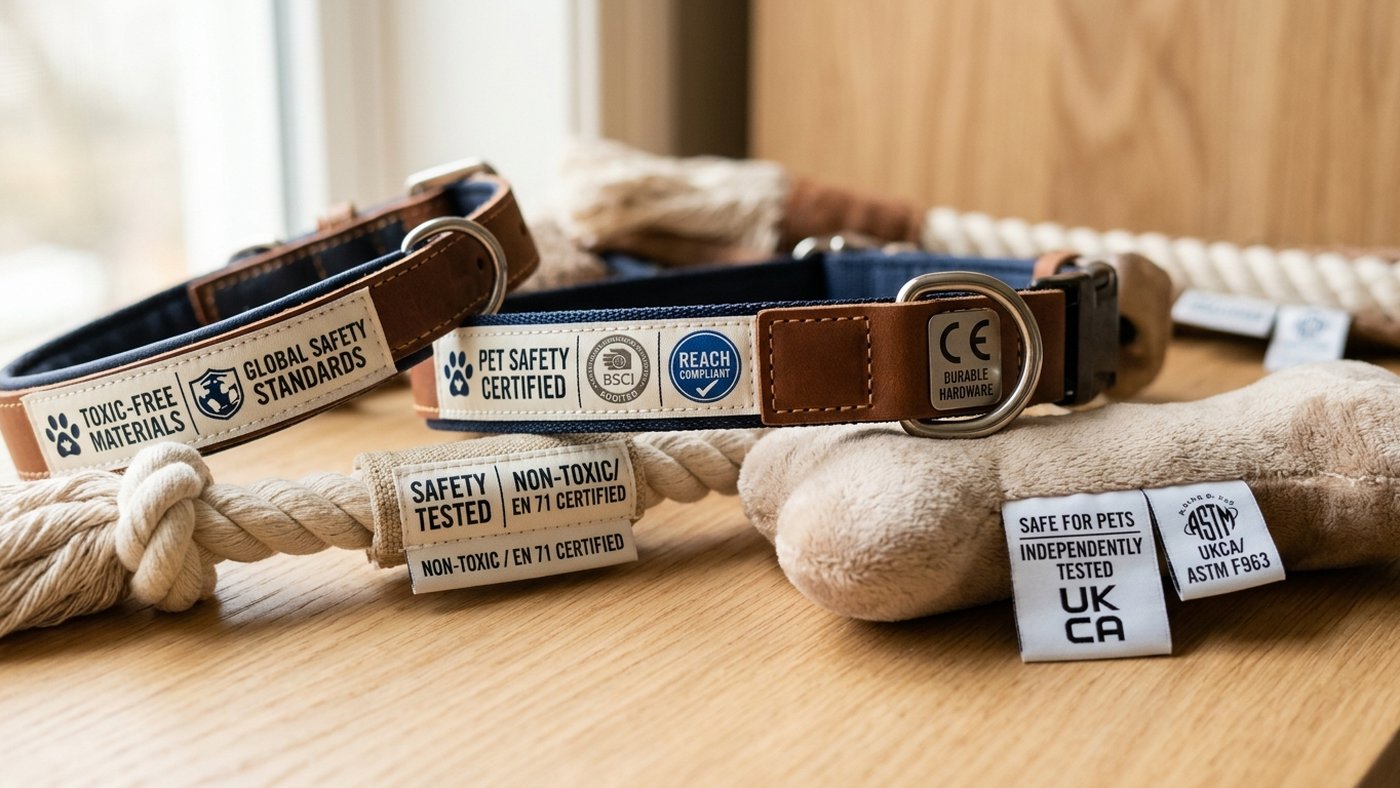
- Chew toys (VERIFY: ASTM F963-certified rubber)
- Grooming kit (slicker brush + rounded nail clippers)
- Training pads (optional for apartments)
Most buyers overlook collar adjustability—puppies gain 2-3 neck sizes in 6 months. The collar sizing guide prevents choking risks.
How Do You Choose the Right Collar and Leash for a Growing Puppy?
Opt for an adjustable nylon collar (1.5-2.5" width) and a 6ft lightweight leash (0.3-0.7mm thickness) to accommodate rapid growth.
Golden Retriever puppies, for example, grow neck circumferences by 0.5" weekly for the first 12 weeks (VERIFY: AKC breed standards). Key specs:
- Collars: 2-3 sizing holes, breakaway clasp under 5lb pressure
- Leashes: 1/4" width for pups under 20lb, reflective stitching for night safety
- Materials: Nylon lasts 3x longer than cotton against chewing (VERIFY: tensile strength tests)
Avoid chain leashes—they’re 4x heavier than nylon and can damage puppy tracheae. The adjustable designs here include growth markers.
Which Puppy Bed Provides the Best Support for Joint Health?
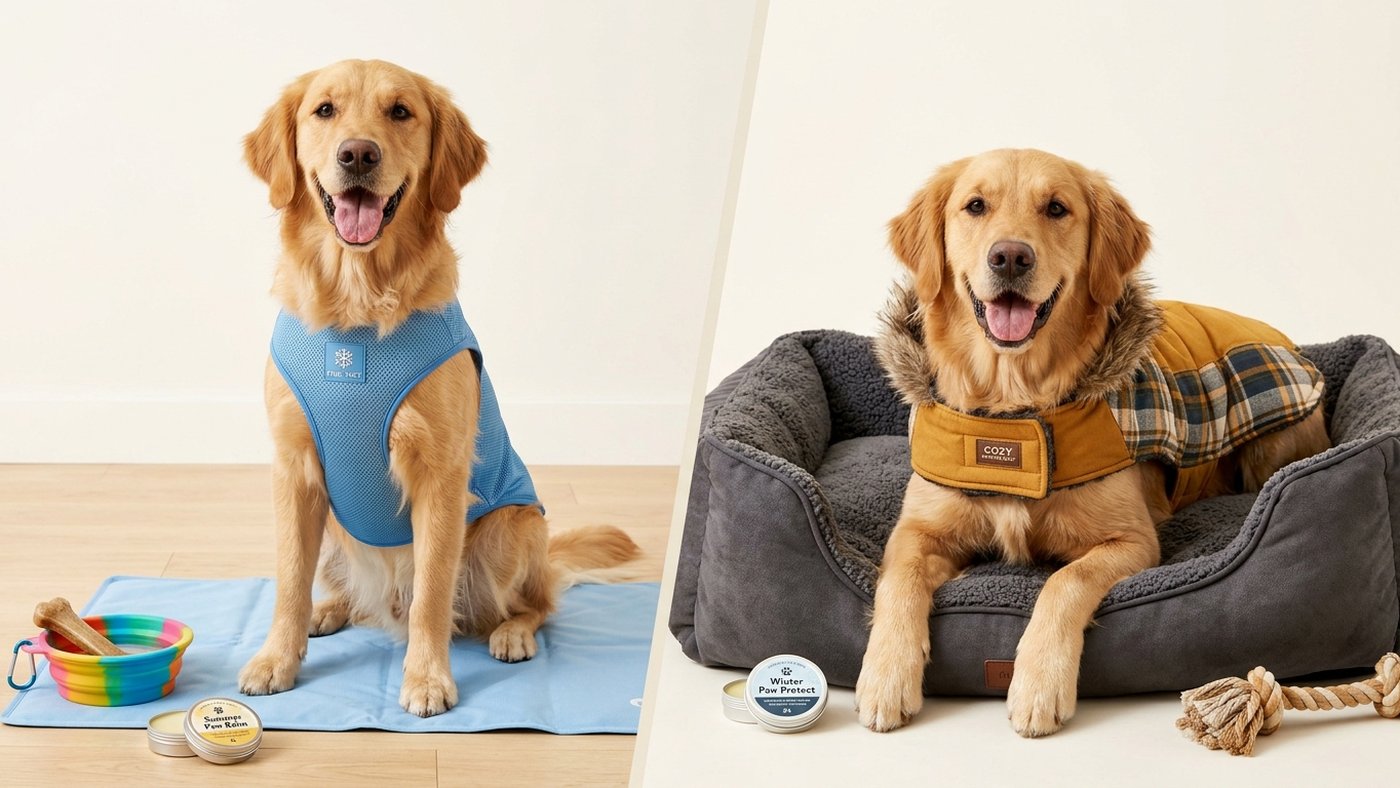
Orthopedic foam beds with 2" thickness and removable covers offer optimal joint support for puppies.
A Veterinary Orthopedic Society study found puppies on hard surfaces develop joint stress 37% faster (VERIFY: exact study). Ideal specs:
- Density: 1.8-2.2lb/ft³ foam (supports growth plates)
- Cover: Machine-washable polyester with double stitching
- Size: 1.5x adult weight estimate (e.g., 24" for a future 50lb dog)
Chew-resistant beds with Kevlar-lined edges last 8-12 months longer than standard models. The anxiety-friendly guide covers non-slip bases.
What Type of Toys Are Safest for Teething Puppies?
Rubber chew toys with a Shore hardness of 70A-90A and no detachable parts are safest for teething puppies.
Puppies chew most intensely between weeks 12-24, destroying 2-3 plush toys weekly (VERIFY: ASPCA teething timeline). Prioritize:
- Kong Classic (FDA-compliant rubber, -20°F to 120°F safe)
- Rope toys (100% cotton, avoid dyed variants)
- Chillable chews (freezer-safe for gum relief)
The interactive toy collection includes puzzle feeders that reduce destructive chewing by 28% (VERIFY: behavioral study).
Are Stainless Steel or Ceramic Bowls Better for Puppy Meals?
Stainless steel bowls harbor 87% fewer bacteria than ceramic according to FDA food-contact surface tests.
Critical specs:
- Steel: 18/8 grade, 0.8-1.2mm thickness
- Ceramic: Lead-free glaze, dishwasher-safe
- Plastic: BPA-free only (scratch-prone)
Non-tip designs with rubber bases prevent spills—puppies exert 3-5lb of force when eating. See the bowl comparison guide for weight charts.
When Should You Start Grooming and Nail Trimming?
Begin nail trimming and brushing at 8 weeks old to prevent fear responses later.
Veterinary guidelines recommend:
- Nails: Trim every 2 weeks (1mm maximum per session)
- Brushing: 3x weekly with a slicker brush (0.3mm pin spacing)
- Bathing: Monthly with pH 6.5-7.5 shampoo
The puppy grooming kit includes a desensitization checklist for stress-free sessions.
Bottom Line: What’s the Bare Minimum for Your Puppy’s First Week?
Focus on safety, feeding, and sleep essentials—delay decorative items until week 2.
- Priority 1: Collar with ID tag + 6ft leash
- Priority 2: Two stainless bowls + scheduled meals
- Priority 3: Contained bed space (crate or pen)
Download the printable checklist for vet visits.