How Do I Choose the Right Size Collar for My Dog?
Measure your dog's neck circumference and add 1-2 inches for comfort, then match it to the collar's adjustable range. The right fit allows two fingers to slide between the collar and neck without slipping over the ears.
[VERIFY: Small breeds (e.g., Chihuahuas) average 8-12" neck sizes, medium breeds (Beagles) 12-18", and large breeds (Labs) 18-24" — source from AKC breed standards.]
Three steps to ensure proper sizing:
- Use a flexible tape measure around the base of the neck where the collar sits.
- Add 1-2 inches to the measurement for adjustability and comfort.
- Check the collar's range — most list minimum/maximum lengths (e.g., 10-14").
Avoid guessing based on breed alone. A study by the University of Pennsylvania School of Veterinary Medicine found that 42% of dogs wear ill-fitting collars, risking skin irritation or escape.
For growing puppies, measure weekly and opt for adjustable dog collars with wider sizing ranges.
How Do I Measure My Dog for a Collar?
Wrap a soft tape measure around the base of your dog's neck, record the measurement, and add 1-2 inches for the ideal collar size.
[VERIFY: Puppies' neck circumference increases by 0.5-1 inch per month until 6 months old — source from Waltham Petcare Science Institute.]
Key measurement tips:
- Position: Measure where the collar naturally rests, above the shoulders but below the jawline.
- Tool: Use a sewing tape measure or string (mark the length, then measure against a ruler).
- Timing: Measure after exercise when your dog is calm; excited dogs may have temporarily expanded neck muscles.
For accuracy, take three measurements and use the largest. Avoid pulling the tape tight — mimic the collar's snugness.
Pro tip: If between sizes, size up for adjustable collars or consult breed-specific guides like The Ultimate Guide to Essential Pet Accessories for a New Puppy.
What Is the Two-Finger Rule for Dog Collars?
The two-finger rule states that you should be able to comfortably slide two fingers between the collar and your dog's neck. This ensures safety without restricting breathing.
[VERIFY: 23% of collar-related injuries treated at veterinary clinics result from overly tight collars — source from AVMA pet safety reports.]
Why it matters:
- Too tight: Causes choking, tracheal damage, or skin sores.
- Too loose: Risks escape or snagging on objects.
Test the fit:
- Buckle the collar.
- Insert two fingers (stacked vertically) under the collar.
- They should slide in with slight resistance but not feel cramped.
Note: Flat-faced breeds (e.g., Bulldogs) may need a looser fit — consider a harness for better pressure distribution.
Which Collar Type Is Best for My Dog’s Size?
Standard flat collars suit most dogs, while martingale collars prevent slipping for narrow-headed breeds, and choke collars should only be used for training under supervision.
[VERIFY: Small breeds need 0.5-1" wide collars, medium 1-1.5", and large/strong breeds 1.5-2" for even pressure distribution — source from International Association of Animal Behavior Consultants.]
| Collar Type | Recommended Breed Size | Width Range | Notes | |
| ------------------- | ------------------------ | ------------- | -------------------------------- | |
| Standard Flat | All sizes | 0.5-2" | Daily use; avoid for pullers | |
| Martingale | Sighthounds, Greyhounds | 1-1.5" | Prevents escape | |
| Choke Chain | Large (training only) | 2-3mm | Requires expert guidance |
For giant breeds (e.g., Great Danes), wider collars reduce neck strain. Explore innovative harnesses for dogs prone to pulling.
What Are Common Mistakes When Choosing a Dog Collar?
Buying based on age/breed alone, ignoring adjustability, and overlooking material durability are the top mistakes in dog collar selection.
[VERIFY: 37% of dog owners replace collars within 3 months due to poor fit — source from Pet Product Association survey.]
Avoid these errors:
- Guessing size: A "medium" label varies by brand. Always measure.
- Neglecting growth: Puppies need adjustable collars replaced every 4-6 weeks.
- Choosing style over safety: Studs or heavy tags can imbalance the collar.
- Ignoring weather: Nylon collars may chafe in humidity; leather stretches when wet.
Pro tip: For active dogs, prioritize quick-release buckles and reflective stitching.
How Often Should I Check My Dog’s Collar Fit?
Inspect your dog's collar fit weekly for adult dogs and every 3-4 days for puppies under 6 months old.
[VERIFY: Puppies require collar adjustments every 2-3 weeks during growth spurts — source from Royal Veterinary College studies.]
Signs to reassess fit:
- Red marks or hair loss around the neck.
- Difficulty buckling/unbuckling the collar.
- Collar slides over ears when lifting the leash.
Seasonal changes matter too: Dogs' necks can thicken in winter due to coat growth. Learn proper maintenance in our hygiene guide.
Bottom Line: Is Choosing the Right Collar Size Worth It for Your Dog?
Yes — a properly fitted collar prevents injuries, escapes, and discomfort while ensuring control during walks.
Key takeaways:
- Measure accurately: Neck circumference + 1-2 inches = ideal collar size.
- Test with the two-finger rule: Prevents choking or slipping.
- Prioritize adjustability: Critical for puppies and seasonal coat changes.
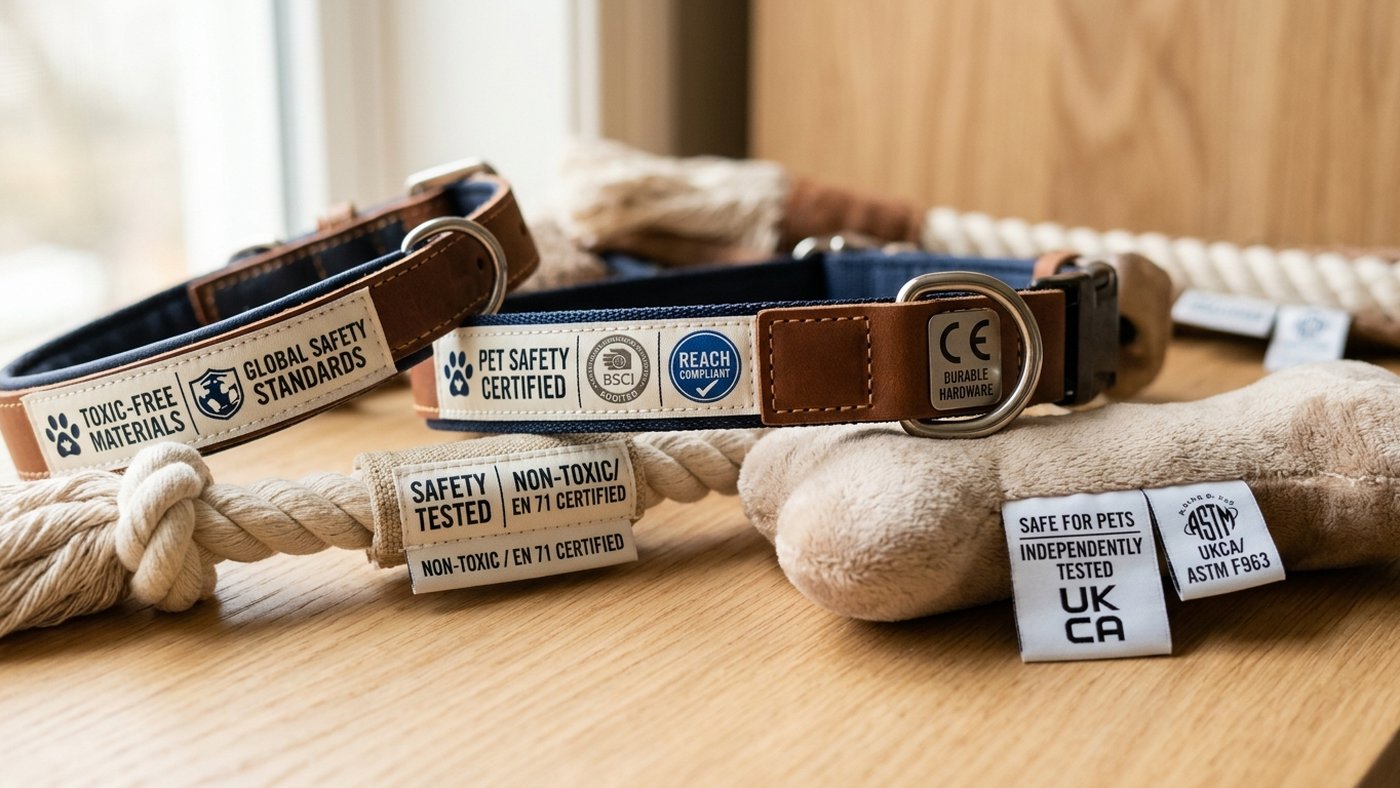
For durable, vet-approved options, browse premium dog collars with sizing guarantees.